


Green credit is increasingly seen as an inevitable trend to support sustainable growth in the agriculture sector, yet its scale in Việt Nam remains modest compared with overall credit in the economy.
Notably, the top 10 in both categories comprised 60 per cent domestic firms and 40 per cent foreign-invested companies, signalling significant advances made by Vietnamese enterprises and underscoring that the “sustainability playground” is no longer dominated by FDI firms with...
The Government proposed raising the revenue threshold exempt from tax for business households from VNĐ200 million (over US$7,580) to VNĐ500 million per year.
Vietnam Airlines and Vietjet confirmed that they have completed software s for their Airbus A320 and A321 fleets, meeting Airbus and the Civil Aviation Authority of Vietnam (CAAV)’s requirements well ahead of the global deadline at 6:59 on November 30...
The VNĐ500 million threshold would allow 90 per cent of household businesses to be exempted from paying tax and reduce the tax burden on them by an estimated sum of VNĐ11.8 trillion per year.
The Ministry of Agriculture and Environment in collaboration with Institute of Strategy, Policy on Natural Resources and Environmennt (ISPONRE) opened a workshop on reviewing the results of developing Provincial Competitiveness and Governance Index (PCGI) for cooperatives in the agriculture in Hà...
The Ministry of Finance said on Tuesday it is considering taxing household businesses on profits rather than on total revenue after the revenue-based taxation system caused a stir among the public.
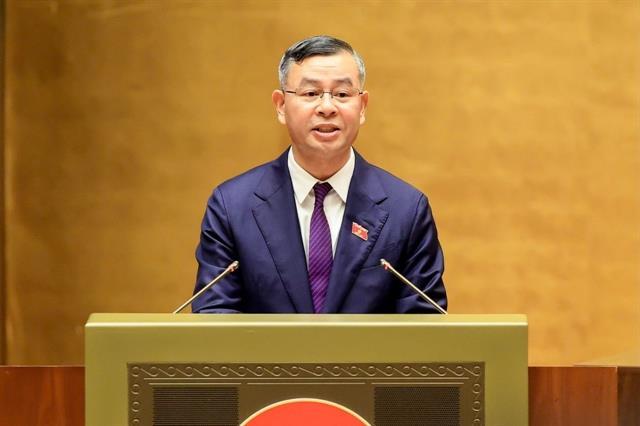
While Minister of Finance Nguyễn Văn Thắng said that the ministry will continue to study an appropriate revenue threshold for taxation on household businesses to ensure fairness, opinions remain divided over what level would be appropriate.
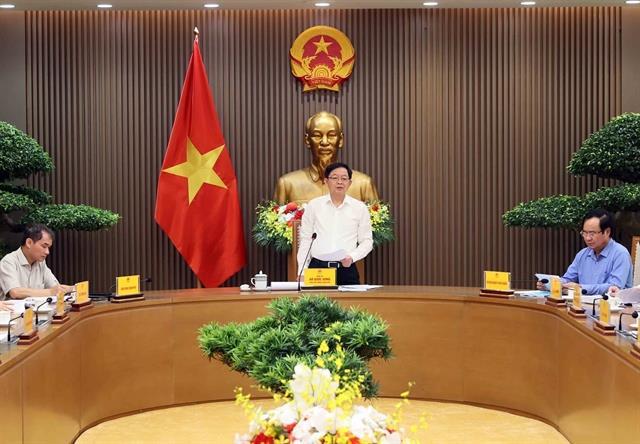
Prime Minister Phạm Minh Chính has asked ministries and local authorities to accelerate the implementation of plans to simplify and remove administrative procedures and business conditions in 2025.
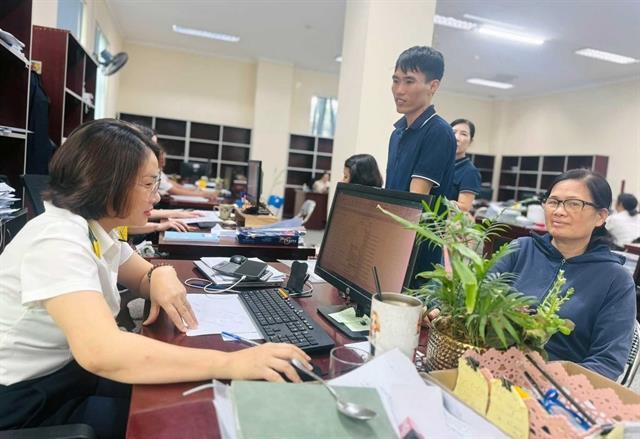
After abolishing the lump-sum tax system from the beginning of 2026, the tax authority will shift to a new household business management model based on revenue thresholds and the level of business development.
After four months of implementation, the model has produced certain and promising positive outcomes, but it has also revealed critical gaps that must be addressed to ensure the reform works in practice.
Under the plan, all business households nationwide will switch to a self-declaration and payment, starting from January 1, 2026, putting an end to lump-sum tax mechanism that has been in place for decades.
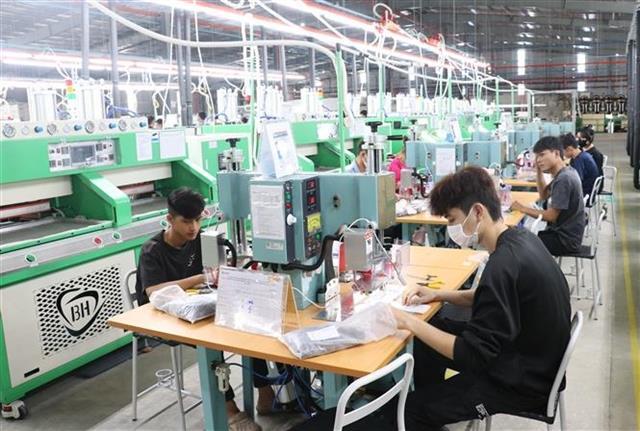
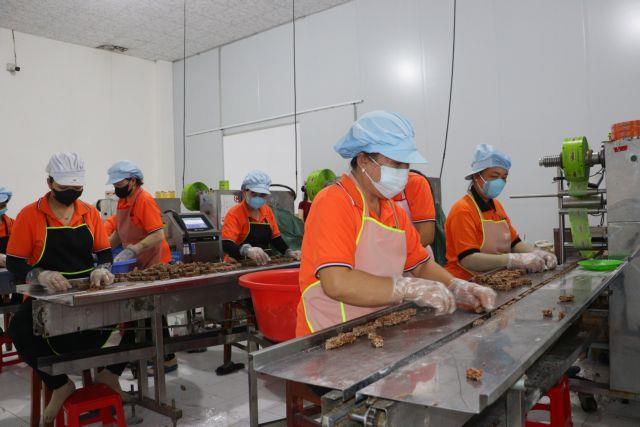
More than 40 per cent of businesses assess that their production and business situation will improve, while over 41 per cent consider it stable in the fourth quarter of this year.